

Introduction
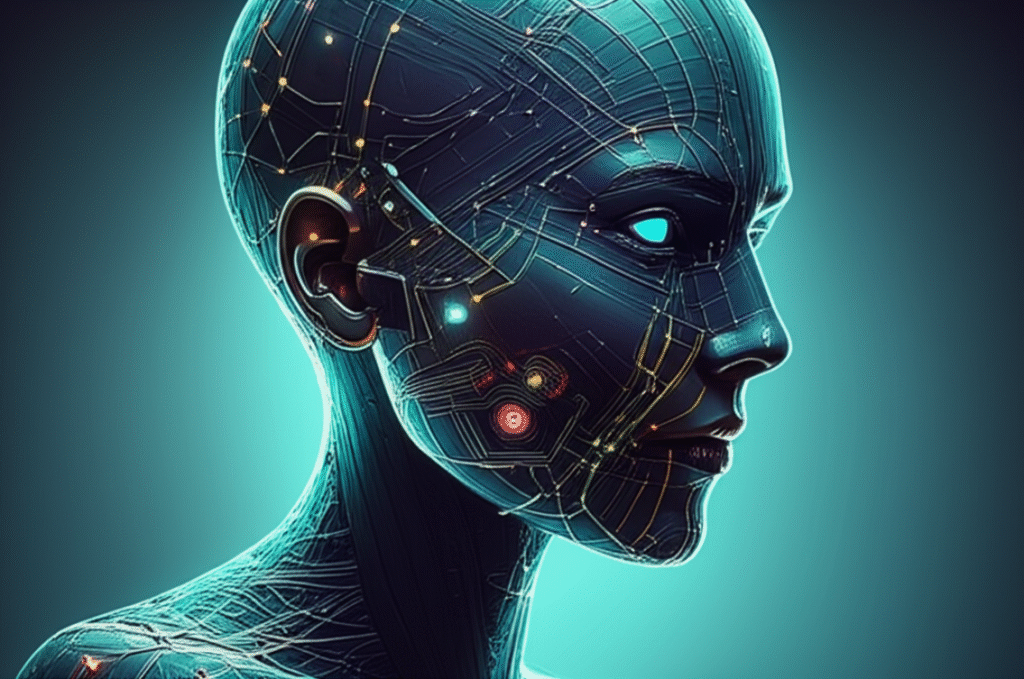
Imagine a future not so far away – just 27 years from now, in 2050. What does the average human look like? Is it a picture of peak health, or something more… concerning? A chilling vision recently surfaced, courtesy of an innovative AI-generated model named Sam. This digital prognostication, created by the activity-promoting app WeWard, offers a stark warning: AI Model Sam warns that if our current sedentary habits persist, the human physique could undergo some alarming transformations. Think sunken eyes, dull skin, and a pronounced ‘tech neck’ – a future that might just be closer than we think.
This isn’t science fiction; it’s a data-driven projection designed to jolt us into action. Sam’s appearance serves as a potent reminder of inactivity’s shocking long-term health effects, urging us to reconsider our daily routines before these predicted changes become our reality. The question isn’t just what humans might look like by 2050, but what we can do now to prevent it.
Background and Context
The concept of Sam, the AI model, originated from WeWard, a European wellness application that incentivizes walking. Their mission is straightforward: encourage people to move more. To underscore the urgency of this mission, they leveraged artificial intelligence to visualize the potential physical decline awaiting us if we continue down a path of increasing inactivity. The results are a stark, almost unsettling, portrayal.
Sam’s creation is a direct response to a growing global health crisis fueled by desk jobs, binge-watching culture, and reliance on digital conveniences that minimize physical effort. The AI composite highlights several specific physical markers:
- Sunken Eyes: Suggestive of chronic fatigue, poor sleep, and potentially dehydration.
- Dull Skin: Indicative of poor circulation, lack of fresh air, and nutritional deficiencies common in sedentary lifestyles.
- ‘Tech Neck’: A pronounced forward head posture, resulting from prolonged periods spent looking down at screens.
This initiative aims to be more than just a viral image; it’s a powerful tool for public health awareness, designed to spark conversation and encourage a shift towards more active living. It’s a visual representation of statistical trends regarding escalating obesity rates, cardiovascular diseases, and musculoskeletal issues linked to inactivity.
| Creator | WeWard |
|---|---|
| Purpose | Raise awareness of inactivity’s long-term health effects |
| AI Model Name | Sam |
| Predictions For | Year 2050 |
| Key Physical Features | Sunken eyes, dull skin, ‘tech neck’ |
Analysis and Key Insights
Sam’s generated image isn’t just a grim portrait; it’s a culmination of various health trends and their projected impacts. Let’s delve deeper into what these predictions signify.
1. The Science Behind Sam’s Predictions
The features highlighted by Sam are not random; they are direct consequences of well-documented health issues stemming from a lack of physical activity. ‘Tech neck syndrome,’ for instance, is a growing concern, impacting posture and leading to chronic pain. Studies have shown that prolonged screen time and poor posture can add significant stress to the cervical spine, leading to muscle strain and degenerative changes. You can learn more about preventing tech neck in our related post.
Moreover, sedentary lifestyles are often linked to poor sleep quality and quantity, which can manifest as sunken eyes and a general lack of vitality in one’s complexion. Our skin, the largest organ, relies on good circulation and hydration to remain healthy and vibrant. Inactivity reduces blood flow, hindering the delivery of nutrients and oxygen to skin cells, contributing to dullness. For further reading, the Mayo Clinic provides comprehensive insights into the health risks of prolonged sitting.
2. The Psychological Toll of a Sedentary Future
Beyond the physical, Sam’s appearance implicitly hints at a deeper psychological toll. Chronic inactivity is strongly linked to mental health issues, including increased risks of anxiety and depression. A sedentary lifestyle often correlates with less exposure to natural light, reduced social interaction, and a lack of the mood-boosting endorphins released during exercise. The thought of a future population exhibiting these physical traits also paints a picture of lower overall well-being and potentially reduced social confidence. Understanding how to boost mental well-being through activity is more critical than ever.
3. Technology: Both Cause and Cure
It’s ironic that an AI created Sam, as technology itself plays a dual role in this impending health crisis. On one hand, the proliferation of smartphones, computers, and streaming services enables and encourages sedentary behavior. Remote work, online shopping, and digital entertainment all contribute to fewer reasons to move. On the other hand, technology also offers powerful solutions. Wearable fitness trackers, smartwatches, and health apps like WeWard gamify exercise, monitor vital signs, and provide personalized coaching to motivate users. AI in healthcare is also advancing rapidly, offering personalized health insights and preventive strategies. You can explore the future of AI in healthcare and how it can empower individuals. Our article on the rise of wearable tech explores these advancements in detail.
Impact and Reactions
The revelation of Sam’s image has certainly achieved its goal of sparking discussion. Across social media platforms and news outlets, the image has circulated widely, serving as a stark visual aid for health warnings that often go unheard. Individuals are confronted with a tangible (albeit speculative) representation of the long-term consequences of their daily choices.
For the health and wellness industry, Sam’s vision is a powerful marketing tool, reinforcing the importance of their services and products. It provides a new angle for public health campaigns, giving a face to the abstract concept of inactivity. Healthcare professionals are likely to use such imagery to emphasize the urgency of adopting healthier routines, as outlined by organizations like the World Health Organization’s physical activity guidelines.
However, the impact isn’t just on individuals. Industries from urban planning to ergonomic design are implicitly challenged to adapt. How can cities be designed to encourage more movement? What role do workplaces play in promoting activity? These are critical questions for ensuring that the future doesn’t resemble Sam’s cautionary image. Leading news outlets like Reuters often cover such societal shifts and the discussions they provoke.
Future Outlook
Sam’s warning isn’t merely a prediction; it’s an opportunity for introspection and proactive change. The goal isn’t to create a dystopian future, but to prevent one. The most optimistic outlook suggests that Sam could be a catalyst for a global movement towards enhanced physical activity and digital wellness.
- Increased Public Health Campaigns: Expect more visual, impactful campaigns leveraging AI and data to highlight health risks.
- Corporate Wellness Programs: Companies may invest further in employee wellness, understanding that a healthy workforce is a productive one.
- Urban Design Evolution: Cities could prioritize walkability, green spaces, and active transportation infrastructure. Read more about planning active communities for better health. Our article on designing healthier cities explores innovative solutions.
- Personal Responsibility & Technological Aid: Individuals will likely continue to embrace wearable tech and health apps, using data to drive personal fitness goals.
The path to 2050 is not set in stone. Every step we take, literally and figuratively, contributes to shaping that future. Sam simply shows us one potential outcome, allowing us the foresight to choose a different, healthier trajectory.
Final Thoughts
The AI model Sam’s vision of what humans might look like by 2050 if sedentary habits prevail is a powerful, perhaps uncomfortable, mirror reflecting our current lifestyle choices. It serves as a profound reminder that our daily actions have long-term consequences, not just for our individual health but for the collective future of humanity.
While the image of sunken eyes, dull skin, and a severe ‘tech neck’ is concerning, it’s not an unavoidable destiny. It’s a call to action. We have the power to change this narrative. By incorporating more movement into our daily lives, prioritizing sleep, making conscious dietary choices, and engaging mindfully with technology, we can steer away from Sam’s stark warning.
Ultimately, the future health of humanity rests in our hands. Let Sam be the wake-up call that motivates us to stand up, move, and cultivate a vibrant, active future, rather than passively settling for a sedentary one. What will *your* 2050 look like? The choice, as always, is yours. For tips on how to get started, explore our guide on motivation for a more active life.
FAQs
Who is AI Model Sam?
AI Model Sam is a digital human model created by WeWard, a wellness app, to show how humans might physically evolve by 2050 if current sedentary habits persist. It visually represents the long-term effects of inactivity.
What does AI Model Sam predict about the future human body?
Sam predicts several physical changes, including sunken eyes, dull skin, and a pronounced tech neck — all linked to sedentary lifestyles and prolonged screen exposure.
Why did WeWard create AI Model Sam?
WeWard developed Sam to raise awareness about the dangers of inactivity and inspire people to move more. It’s part of their global campaign to encourage walking and active living.
Is Sam’s prediction scientifically accurate?
While Sam’s image is not a literal forecast, it’s based on real scientific and health data about the long-term effects of sedentary behavior, poor posture, and lack of physical activity.
How can technology help prevent Sam’s prediction from becoming reality?
Technology can both cause and cure inactivity. Tools like wearable fitness trackers, AI health apps, and ergonomic innovations can help monitor activity, improve posture, and promote healthier habits.
What lessons can we take from Sam’s warning?
Sam’s warning reminds us to prioritize movement, posture, nutrition, and mental wellness in our daily lives. A healthier 2050 is achievable through conscious choices and technological support.




Alright, 22win1. Not bad at all, seriously. Smooth experience and pretty decent odds. I’d say give ’em a try, mate. 22win1
Okay, 55bmwslot… fingers crossed for some smooth spins and big payouts! Let’s see what those reels can do! Give them a try now 55bmwslot
55bmwwin… The name says it all! I’m ready to WIN BIG, baby! Let’s go. Check them out now 55bmwwin
Yo, anyone heard of jjwinclub? My mate was raving about their exclusive promotions. I logged in but have’nt started yet, but pretty dope so far! Check it out and see if it’s your jam. Sign up here jjwinclub.
Heard some buzz online about OAN88 and how great they are so definitely worth checking out. I’m just getting started now but have already played a few times and won some money! Give it a try yourself! Sign up here oan88.
Just downloaded the GemBet app and liking the overall feel of it. Smooth, responsive, and makes placing bets really easy. If you prefer apps over websites, then this one’s a solid choice. Get the app here gembetapp.